Meet the Founder:
Andrew Smolen’s Journey from the Navy to Mental Conditioning

BIO / ANDREW SMOLEN

If you’ve spent any time in Bellingham, Washington, you know there’s a specific kind of energy here. It’s a place where the mountains meet the Salish Sea, where the air is crisp, and where the people are as rugged as the terrain. It’s a place that rewards preparation and resilience. This is my home, and it’s also the headquarters for Mental Conditioning, LLC.
I’m Andrew Smolen. I’m a US Navy veteran, a former semi-professional soccer coach, a disaster relief volunteer, and a Performance Psychology Consultant. But more than the titles, I’m someone who has spent my life at the intersection of high stress and high performance.
I started Mental Conditioning, LLC because I saw a gap. I saw incredible athletes, brave first responders, and dedicated military members who had all the physical tools and the best tactical guidance in the world, but were hitting a "ceiling" because their mental game wasn't as trained as their bodies. I’ve lived in those worlds, and I know that the difference between success and failure often happens between the ears.
From the Sea to the Pitch: Coaching Semi-Pro Soccer
After my time in the Navy, I found myself back on the field. Soccer has always been a passion of mine, and transitioning into coaching semi-professional soccer was a natural fit. But it was here that I saw the "mental gap" most clearly.
I’d see players with top-class footwork lose their composure after one bad call from a referee. I’d see teams dominate for 80 minutes only to crumble in the final ten because they couldn't handle the "fear of losing."
As a coach, I realized that I could give my players the best tactical drills in the world, but if they didn't believe in themselves or couldn't stay focused during the "clutch" moments, the tactics didn't matter. I started integrating mental skills: simple things like reset triggers and visualization, into our practices. The results were immediate. We weren't just a more talented team; we were a more resilient one.
This experience solidified my belief that performance psychology isn't just for the pros; it's for anyone who wants to be better at what they do.
The Science Behind the Grit: BA to MS
I’ve always been a "show me the data" kind of guy. Passion is great, but I wanted to understand the actual science of performance. That’s why I pursued my BA in Sport Psychology. Understanding the mechanics of the human brain, how we process stress, how we form habits, and how we build confidence, changed the way I looked at everything.
Currently, I’m finishing my MS in Sport and Performance Psychology (class of 2026!). My academic journey has allowed me to bridge the gap between “in the trenches” and evidence-based practice. When I work with a client, I’m not just giving them a pep talk. I’m giving them tools backed by decades of research in cognitive-behavioral science and performance theory.
We talk about things like:
Arousal Regulation: Learning how to "lower the volume" of your nervous system so you can think clearly when the stakes are high.
Attentional Focus: Training your brain to ignore the "noise" and focus only on the task-relevant cues.
Self-Talk Reframing: Changing the internal narrative from "I can't mess this up" to "I am prepared for this moment."
Service Beyond the Uniform: Team Rubicon
One of the most important parts of my life since 2012 has been my involvement with Team Rubicon USA. If you aren't familiar with them, they are a veteran-led humanitarian organization that serves communities during disasters.
Working with "TR" has been a powerful reminder that the skills we learn in the military: leadership, logistics, and grit, are desperately needed in the civilian world. When you’re mucking out a house after a flood or clearing trees after a tornado, you see the rawest form of human resilience.
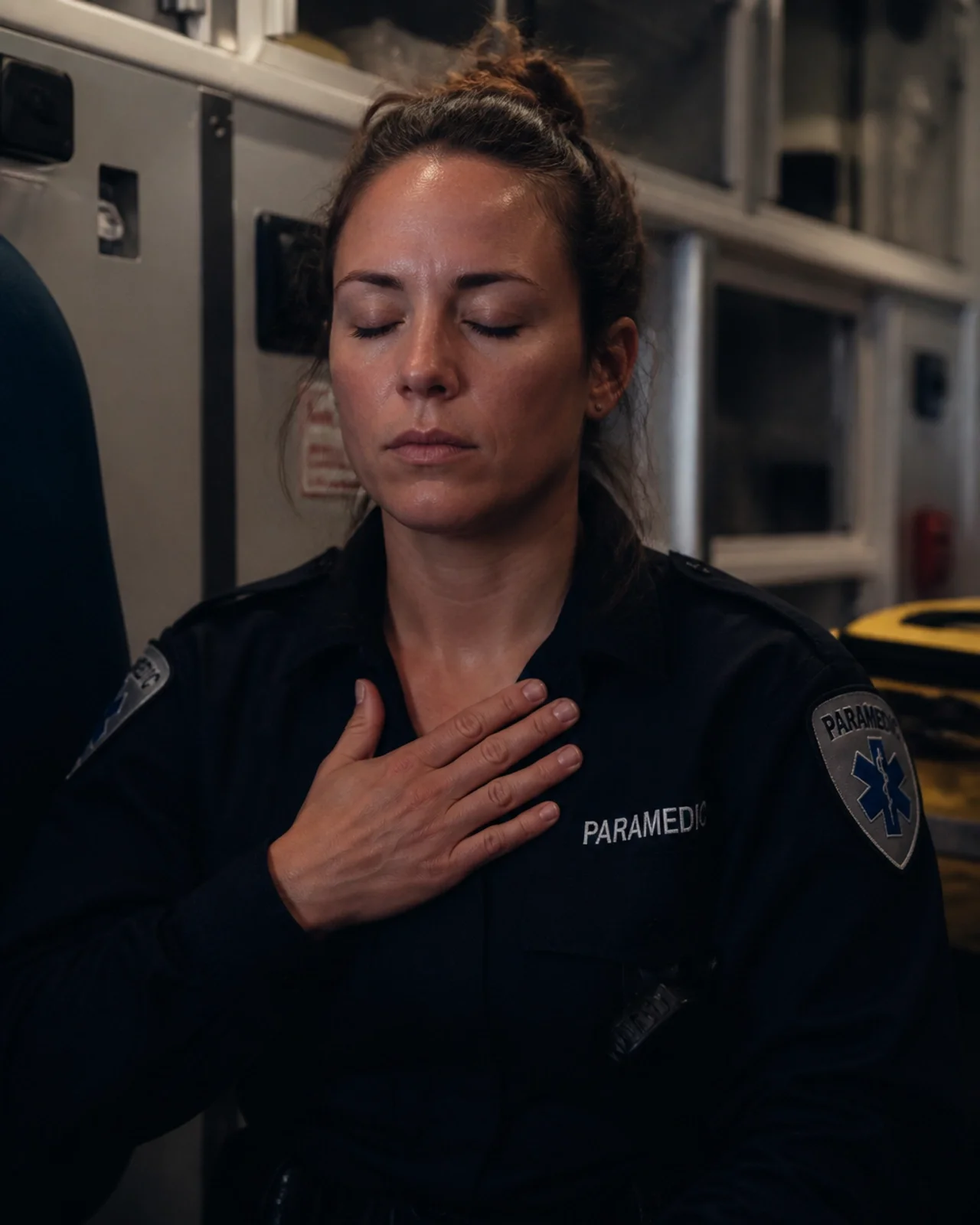
Being a part of this community has taught me that service isn't just something you do; it's who you are. It’s also shown me that the "tactical athlete" (the firefighter, the police officer, the medic, the disaster responder) needs mental conditioning just as much as the soccer player. They operate in high-consequence environments where a lapse in focus can have life-altering consequences.
Why Mental Conditioning?
So, why did I start this practice? Because I believe everyone deserves to know what they are truly capable of.
Whether you are an athlete looking to break a slump, a first responder trying to manage the "heavy" parts of the job, or a professional working in a high-stress environment, your mind is your most powerful tool. But if you don't maintain it, it can also be your biggest obstacle.
At Mental Conditioning, we don't do "fluff." We do work. We take the discipline of the Navy, the strategy of the soccer pitch, and the science of psychology to create a personalized roadmap for your performance.
I live here in Bellingham, but my mission is to help people everywhere find their "edge." I’ve been the guy in the uniform, the guy on the sidelines, and the guy in the disaster zone. I know what it’s like to feel the pressure. And I know how to help you thrive in it.
The Crucible: Lessons from the US Navy
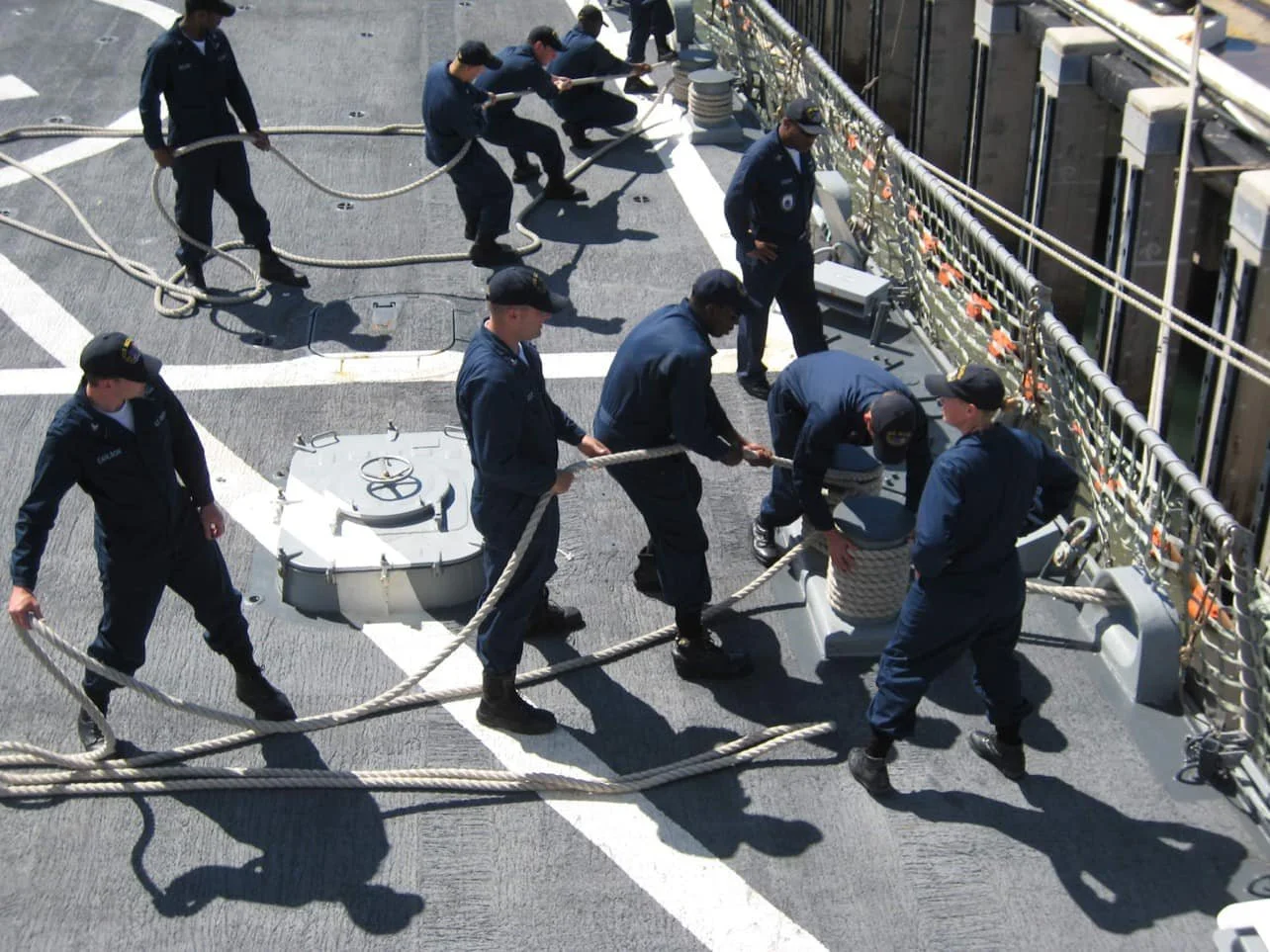
My journey didn't start in a classroom or on a soccer pitch; it started in the US Navy. When you’re in the military, "performance" isn't a buzzword: it’s a requirement. You learn very quickly that discipline is the foundation of everything. But more importantly, you learn how the mind reacts when things go sideways.
In the Navy, I saw firsthand how stress can either sharpen a person or shatter them. I became fascinated by the "why." Why do some people thrive under pressure while others freeze? I realized that the "toughness" we often talk about isn't something you're just born with: it’s something you build. It’s conditioning. Just like you hit the gym to build your quads, you have to hit the "mental gym" to build your focus, your emotional regulation, and your grit.
This period of my life taught me the value of a "mission-first" mindset. Whether you’re on a ship or in a boardroom, having a clear objective and the mental stability to pursue it is what separates the elite from the average.